
Expanded Fields series #6: Lily Hsu — Designing with Ecology, Flow, and Food
07 Oct 2025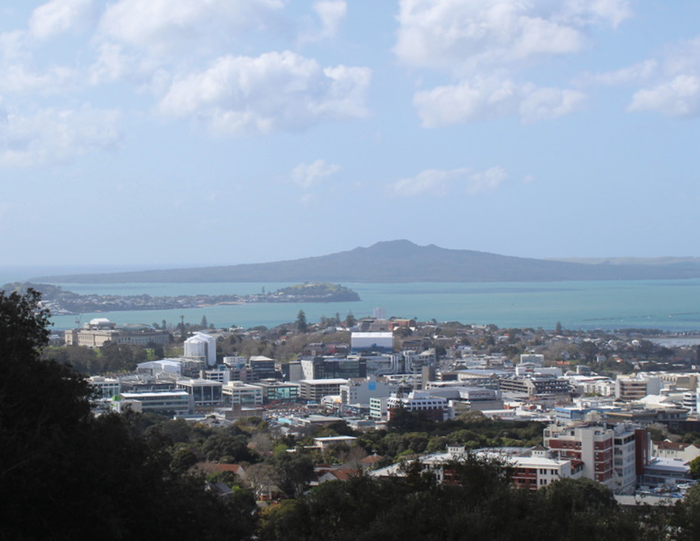
After years living in Melbourne, Lily has returned home to Tāmaki Makaurau to establish a practice at the intersection of landscape architecture, permaculture, art, and wellbeing. Her studio embraces garden-to-table design philosophies and community-focused collaborations, weaving ecological care with creative expression.
Coming home has given Lily a renewed appreciation for the simple things, walking up Maungawhau, being close to the water, and reconnecting with a creative community. A recent trip to Taipei, where she joined her family in moving her grandfather’s remains to rest alongside her grandmother in a valley of pomelo trees, deepened her sense of connection to whenua, ancestry, and the cycles of land. These experiences have guided her studio towards a practice grounded in permaculture principles: earth care, people care, and fair share.
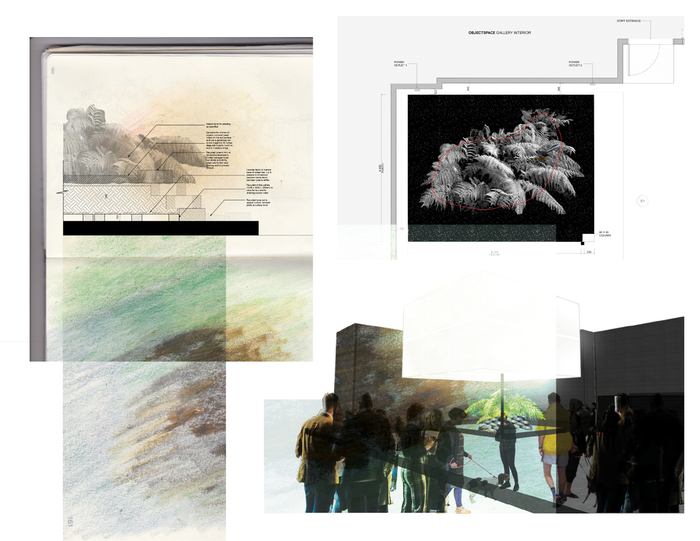
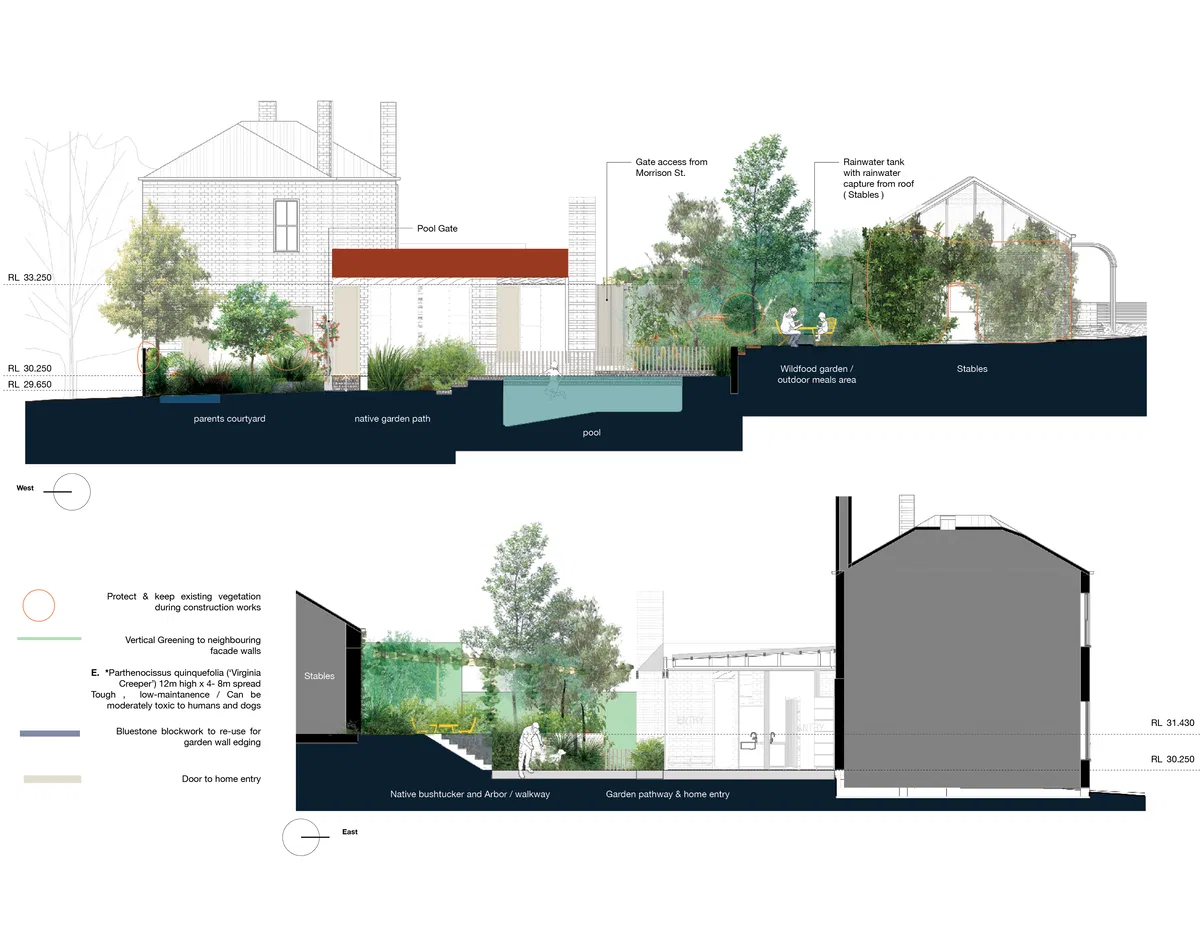
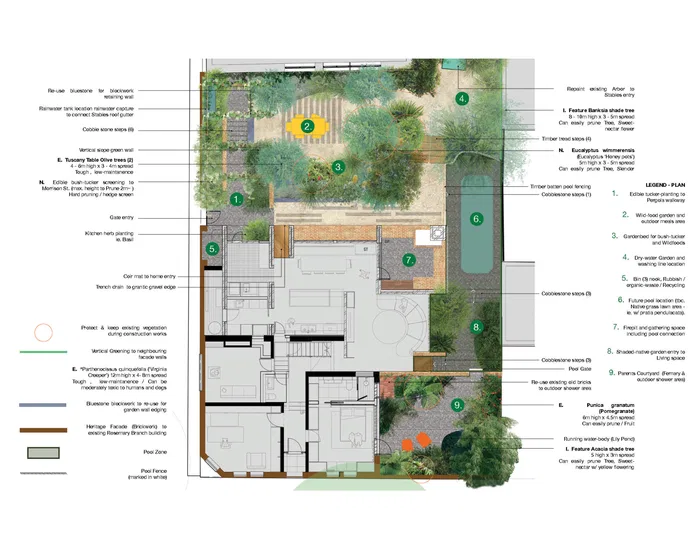
At the core of Lily’s work is a garden-to-table philosophy. In Tāmaki Makaurau, the volcanic soils and seasonal abundance lend themselves to growing, sharing, and cultivating food as part of daily life. Her projects often weave food production into residential spaces, as in her Maud Street design, where the kitchen flows into a terraced wild food garden, while the bedroom opens to a fernery with pond and fruit trees. For Lily, designing gardens is not only about planting with an array of natives in ecology, but about sensory experience, what the garden feels, smells, and tastes like before food even reaches the table.
Yoga, another thread in her life, shapes the way she thinks about design. She sees parallels between spatial flow and the mindful rhythms of movement and breath. Just as yoga counters the rigidity a bad office posture of office life, Lily asks whether gardens can also “breathe”, spaces that flex, respond, and move with ecological systems.
What excites her most is when projects bring together art, architecture, and ecology in ways that mirror her clients’ lives. Her time with Rail Projects Victoria exposed her to the energy of citizen-led commissions, and she now carries that collaborative spirit into her practice in Aotearoa. Collaboration remains central, whether through community gardens, creative networks, or local initiatives, because, as Lily believes, projects are richer when they are shaped with others who care about place and environment.
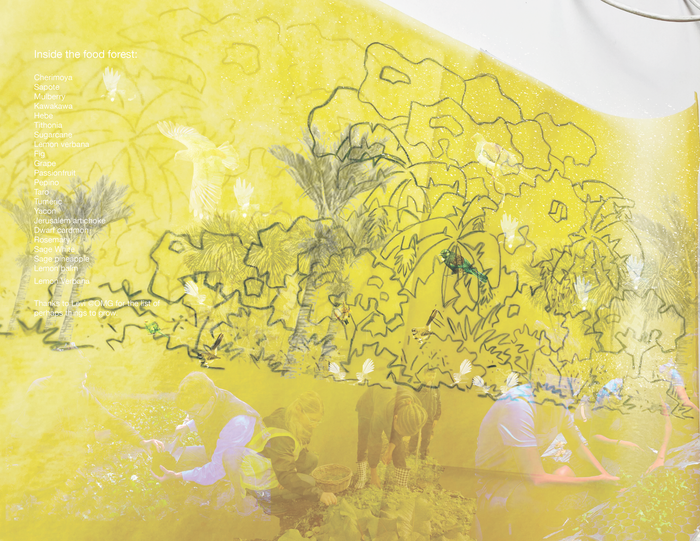
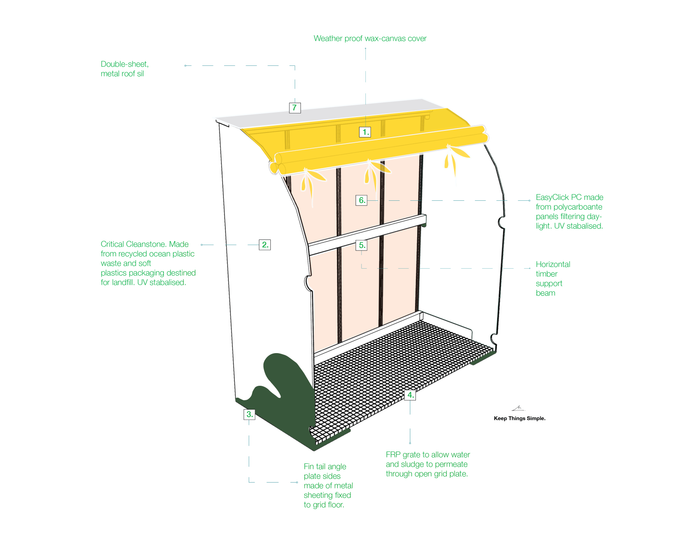
Her current explorations include a prototype for a garden shed, a lo-fi, sustainable structure that blurs the boundaries between art and architecture. For Lily, projects like this are less about commercial outcomes and more about experimentation, conversation, and reimagining how small interventions can support everyday life.
Looking ahead, she sees her studio evolving toward deeper collaborations with like-minded creatives, building projects that are holistic, culturally aware, and rooted in care for the land. She recently joined a consortium, who are thinking about how we can develop a 100-year vision for Aotearoa around nature based solutions. She believes women in design bring unique opportunities to work more coherently and expansively, opening space for practices that balance professional skill with social and environmental responsibility.
I think there is something that’s really beautiful about landing into a community that shares expressions as designers through both architecture and our expanded field in complementaries.
For Lily, being part of the Architecture+Women NZ community is a reminder of the beauty of shared expressions in design. It is a place where architecture connects with its expanded fields, where nurturing land, cultivating food, and fostering community are all part of shaping a better future
In Association With











Join our newsletter