

Miranda Brown: Designing for Connection
31 May 2026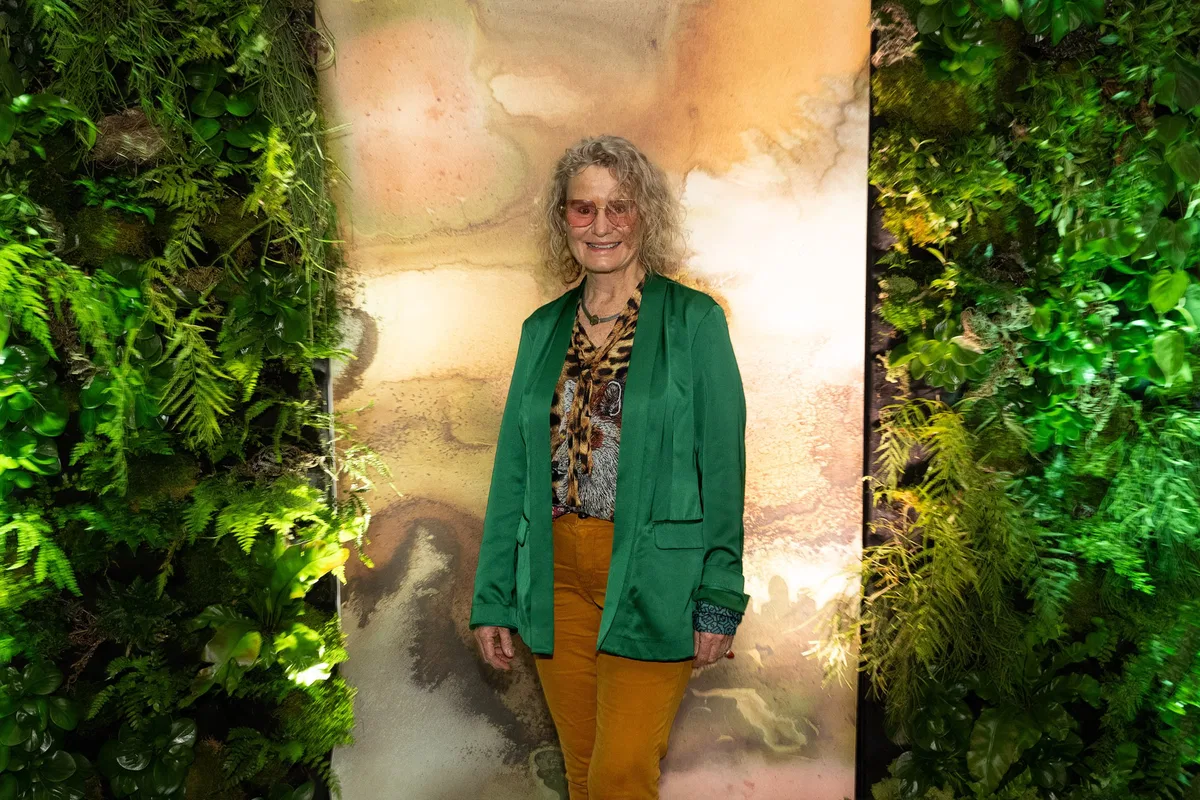
At the intersection of nature, art, and the built environment sits the work of Miranda Brown, a practitioner whose career challenges conventional definitions of architectural practice.
Trained not as an architect but as a designer and artist, Brown’s work offers a compelling example of how architectural thinking can extend beyond buildings into something far more fundamental: our relationship with nature itself.
“I call myself a biophilic designer and artist,” she explains, though even that feels like an oversimplification. At her core, Brown sees herself as a maker deeply attuned to the natural world, translating its patterns, systems, and sensory qualities into spaces and experiences that support human wellbeing. Brown’s work sits within a broader shift in the profession, one that is beginning to acknowledge the limitations of purely functional or efficiency-driven design. There is a growing recognition that how spaces feel matters just as much as how they perform.
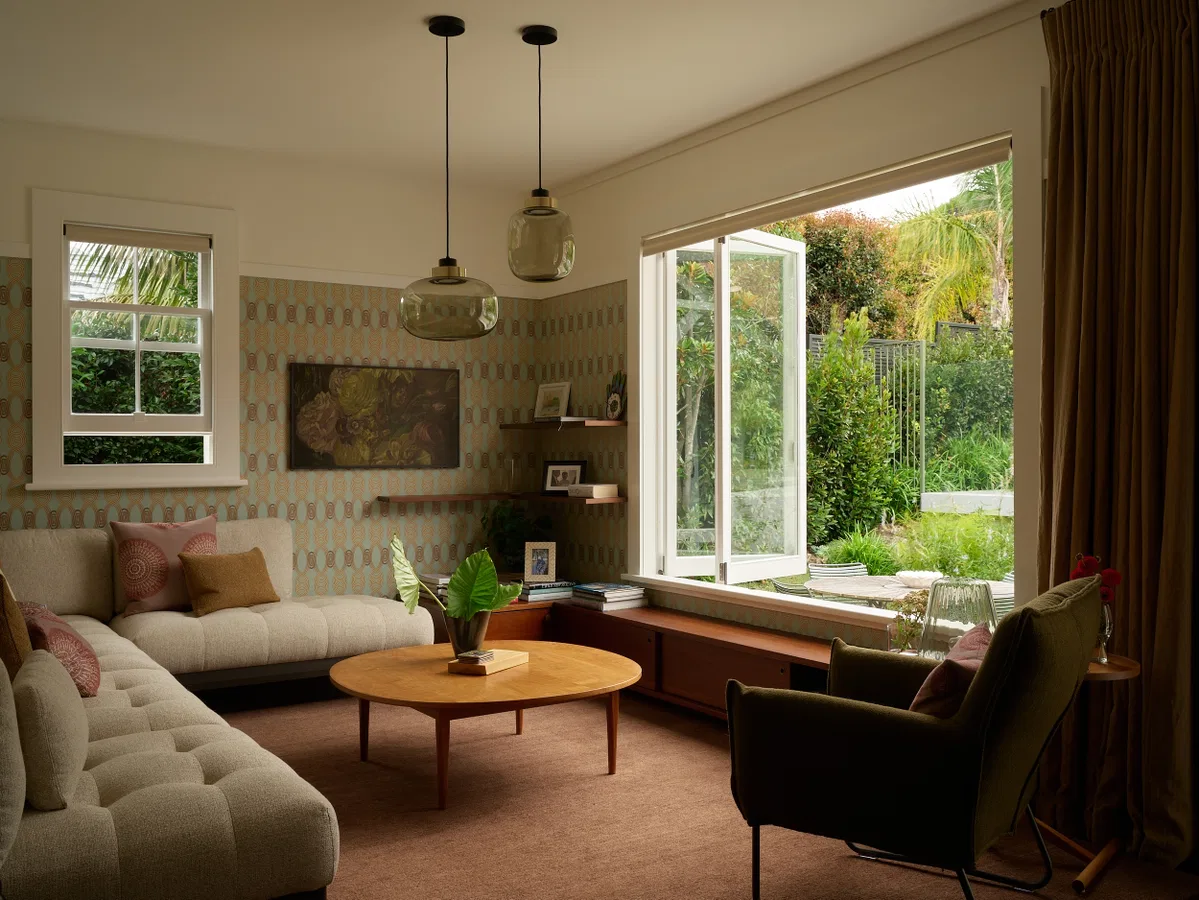
From Fashion to the Built Environment
Brown’s pathway into the built environment was not linear. Beginning her career in sustainable fashion, she spent years exploring ethical production, material sourcing, and the broader lifecycle of products. That grounding in sustainability has remained constant, but over time her focus shifted from designing for the body to designing for space, atmosphere, and human experience.
That transition was a natural evolution. Her work in textiles and surface design began to scale, moving into interiors, public art, and spatial applications. Alongside this, a growing interest in wellbeing led her to formalise her knowledge through biophilic design, a field that draws on science, psychology, ecology, and sensory experience to better understand how humans respond to their environments.
For Brown, biophilic design is not a trend or aesthetic. It is a framework for remembering that we are not separate from nature - we are nature - and that the spaces we inhabit can either nourish or diminish that connection.
Designing with Nature for Co-evolution
Central to Brown’s practice is a simple but often overlooked premise: humans are not separate from nature. We Are Nature. We are shaped by it, biologically,
psychologically, emotionally and spiritually.
This understanding informs how she approaches design. Rather than focusing solely on form or function, her work considers how a space feels and how it engages the senses, and how it supports the body’s natural rhythms, cognitive function, nervous system, sense of place and belonging, She speaks of working with the fundamental elements, earth, water, air, and light, and how these translate into spatial qualities such as materiality, pattern, ventilation, lighting, and texture. Questions that might seem secondary in conventional projects become central:
● How do you feel in nature and how can you emulate these qualities into your project?
● What are the patterns, colours and narratives of this place that bring a sense of belonging and connection?
● What spatial design will create prospect and refuge, curiosity and awe to support mental wellbeing and cognitive function?
● How can we explore lighting and sound to enhance natural circadian rhythms and heart coherence.
● How do the materials feel and smell, do they support human and ecological health?
These considerations are supported by established frameworks within biophilic design, which break down the relationship between people and environment into measurable attributes. But for Brown, the process is not purely technical, it is also deeply intuitive.
A Multi-Sensory Approach
Where traditional architectural processes often priorities visual outcomes, Brown’s work expands the lens to include all senses. Sound, texture, movement, and even memory play a role in shaping how a space is experienced.
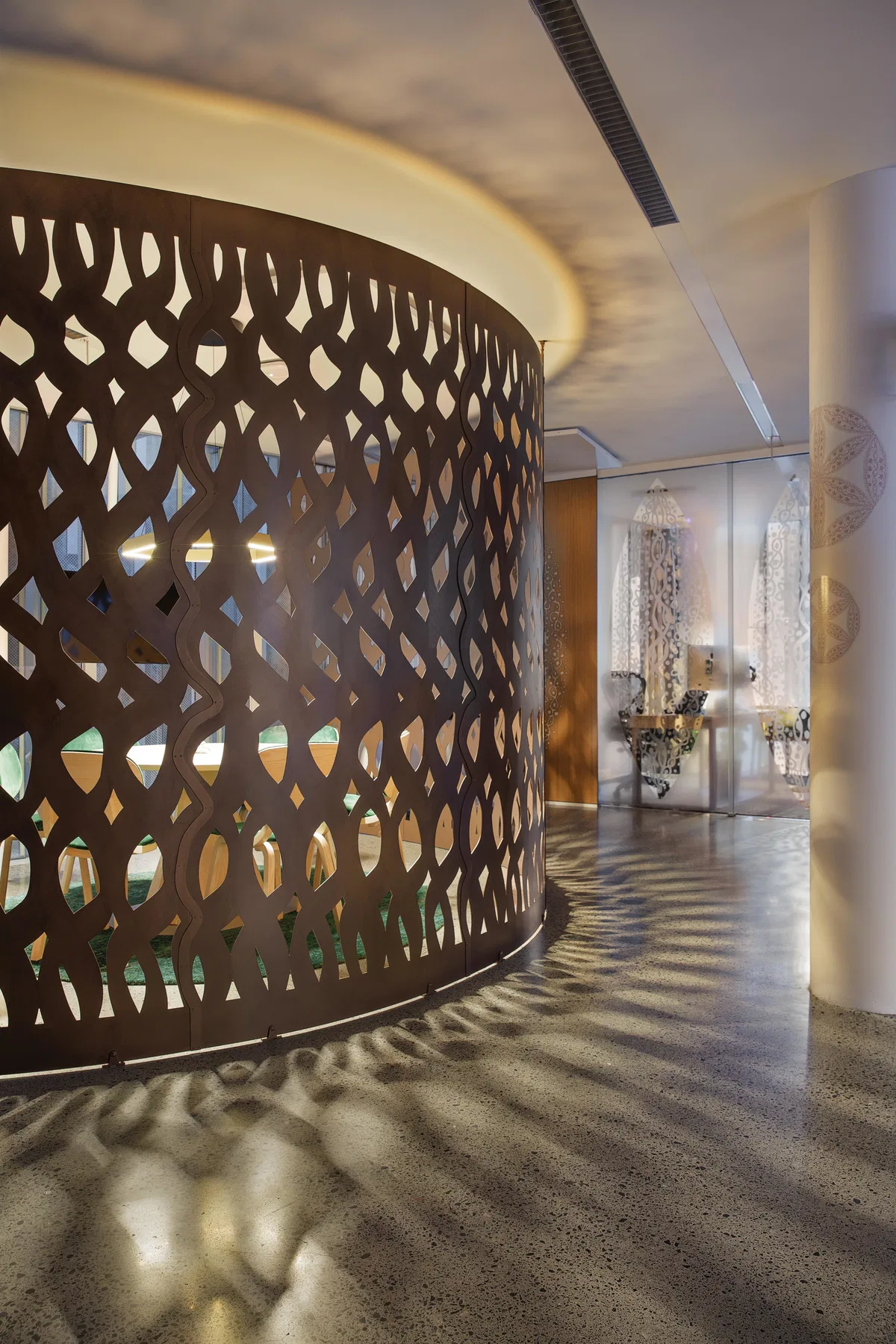
This is where her artistic background becomes particularly powerful. Through integrated pattern, colour, and form, often derived directly from natural systems, she introduces layers of sensory engagement that can subtly influence how people feel within a space.
One example she points to is the use of fractal patterns, repeating forms at different scales, found throughout nature, from tree branches to the nautilus, clouds and coastlines. Evidence based research indicates that these patterns can significantly
reduce stress and support cognitive function by up to 60%. Rather than applying decoration for its own sake, Brown integrates these principles in a way that is both
aesthetic and therapeutic.
Working Within, and Alongside, Architecture
Brown’s role within projects sit adjacent to traditional architectural services. She does not produce floor plans or resolve technical detailing; instead, she brings a specialised lens that complements the work of architects and designers.
Her involvement is most effective early in the design process, where there is greater opportunity to influence spatial planning, material choices, integrated nature patterning, and overall design intent. Through workshops and collaborative sessions, she works
with clients, designers, and wider project teams to embed biophilic principles from the outset.
Miranda has partnered with Tricia Love, sustainability consultant for Green Star, ESD, and Living Building Challenge. The pair complement each other, the artist and engineer, to deliver Biophilic Exploration Workshops under the brand Human Nature.
These sessions extend beyond conventional briefing sessions, bringing together a wide range of voices, from ecologists and historians to iwi and community stakeholders, to develop a deeper understanding of place. The outcome is not just a design response,
but a shared vision grounded in context, culture, and environment.
Beyond Tokenism
As interest in biophilic design grows, so too does the risk of it being reduced to a checklist, greenery added at the end of a project, or natural materials used superficially.
Brown is clear in her stance for a more sophisticated approach that requires us to connect with nature deeply during our design process. Biophilic design is not about adding plants or referencing nature aesthetically alone. It is about fundamentally
rethinking how environments are conceived, and how they support both people and the natural world.
“The more we are connected to nature, the more we care for it,” she says, a principle that underpins her work. This connection, she argues, must go deeper than visual cues.
It must engage the body, the senses, the mind and heart.
Projects and Practice
Among her work, Brown highlights projects where she has been able to integrate biophilic thinking from concept through to completion. In these cases, patterns, materials, and spatial experiences are not applied but embedded, becoming part of the architecture itself.
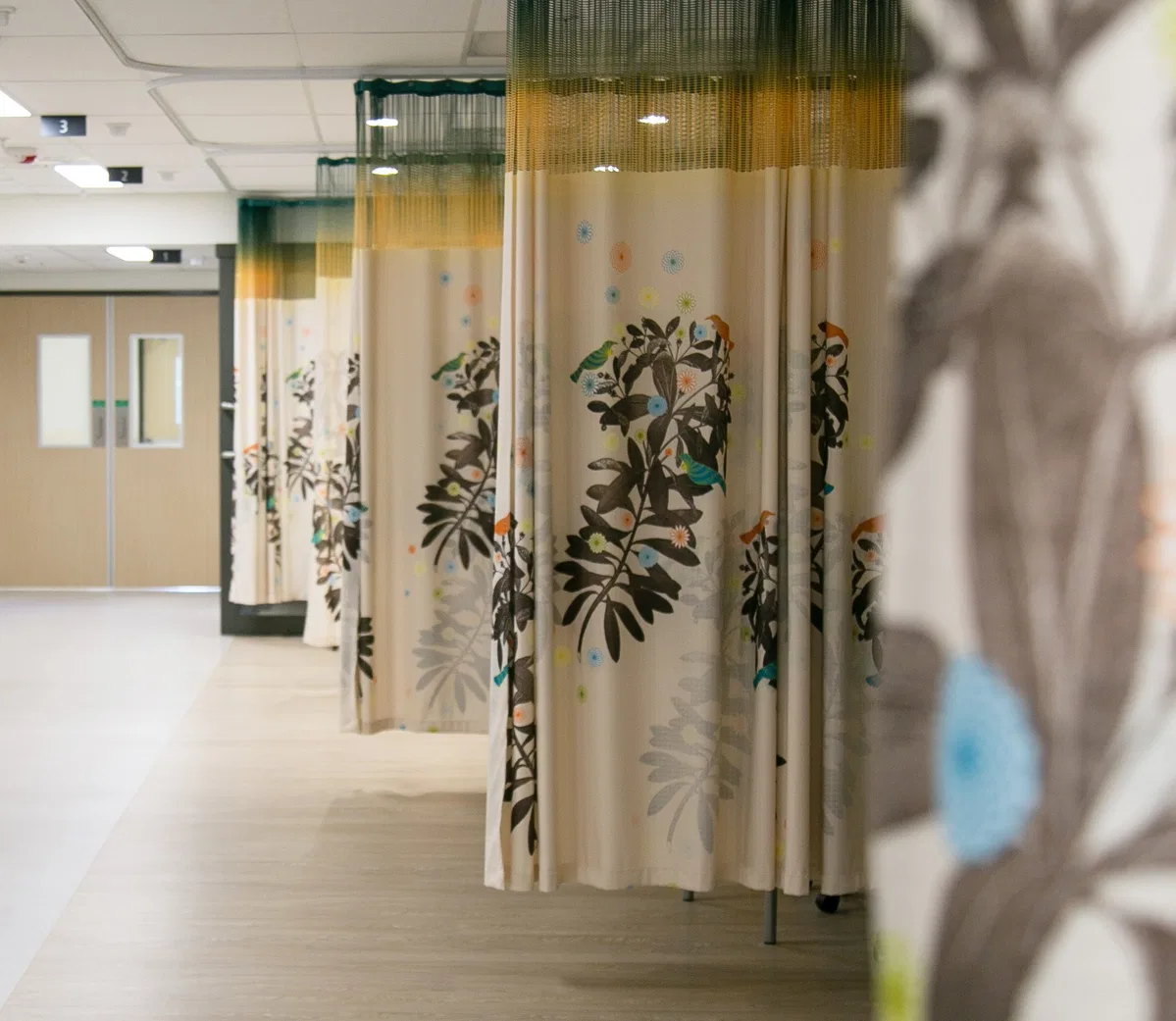
Her current focus is increasingly centred on healthcare environments, where the impact of design on wellbeing is particularly pronounced. From privacy curtains to interior treatments, even small interventions can influence patient experience, recovery, and stress levels.
It is a pragmatic approach, recognising that while large-scale change is important, meaningful impact can also come from targeted, evidence-based design decisions.
Expanding Practice
Brown’s practice is a clear example of how architectural thinking can extend beyond traditional boundaries. It is not confined to buildings or professional titles, but instead operates across disciplines, art, design, science, and culture.
Her work challenges the profession to reconsider its scope: not just what we build, but how and why we build it.
In doing so, it opens new possibilities, for collaboration, for innovation, and ultimately, for creating environments that are not only functional, but deeply supportive of the people who inhabit them and the places we live.
To connect with Miranda and view her work www.mirandabrown.co.nz
In Association With












Join our newsletter